
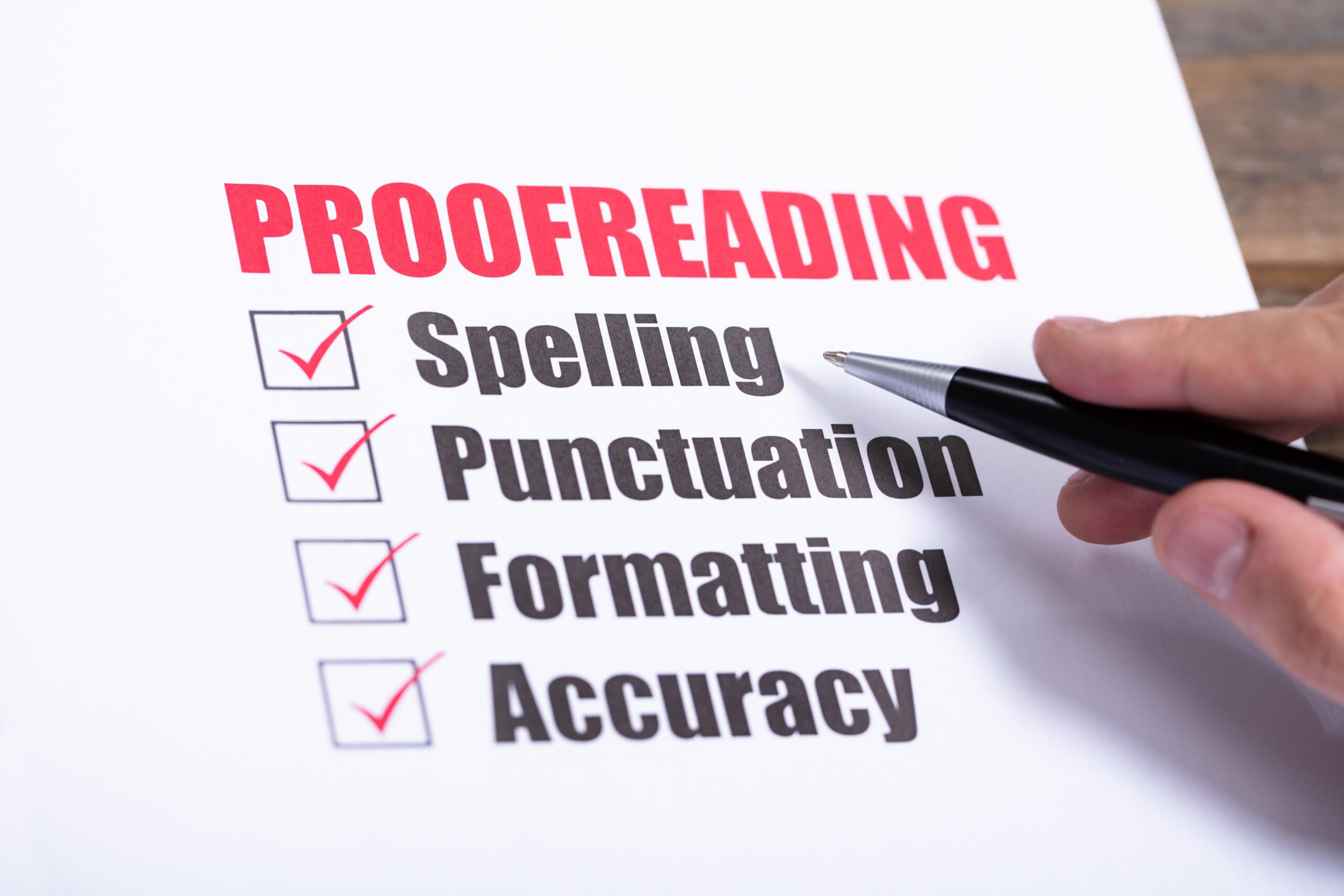
You’ve run spellcheck on your report, but in practice, automated tools cannot fix clunky phrasing. Mastering these editorial stages is your safety net against confusing readers.
Let’s imagine a construction site: you wouldn’t sweep the floors while you’re still building the walls. Therefore, you should never check for typos before first improving document readability and flow. Understanding the nuances of copy editing vs proofreading and where line editing fits in is the secret to professional-grade content.
What is Copy Editing?
A typo-free email can still sound awkward, highlighting exactly why distinguishing these editing phases matters. What is copy editing? It is the stage where an editor moves past big-picture restructuring to tackle the actual sentence structure.
This phase involves refining syntax and word choice, which means rearranging your words so they flow beautifully and clearly. Beyond smoothing out sentences, editors also:
- Enforce Strict Formatting. They apply professional style guides, such as The Chicago Manual of Style or AP Style, to keep your text consistent.
- Ensure Brand Consistency. They guarantee that terms are capitalised and hyphenated exactly the same way across every page.
- Tone Alignment. They ensure the voice of the piece matches your intent.
Editing vs. Copy Editing
While editing is often used as a broad umbrella term, editing vs copy editing usually refers to the depth of the changes. General editing might involve developmental editing, changing the entire structure or argument, whereas copy editing focuses on the technical accuracy and readability of the existing text.
Line Editing vs. Proofreading to Refine the Craft
To truly master your draft, you must understand the middle ground of line editing. Often confused with copy editing, line editing is more stylistic.
While line editing vs proofreading might seem similar, they serve different masters. A line editor looks at the art of the sentence, the creative flow and impact. A proofreader, however, is the final gatekeeper.
The Proofread Your Final Safety Net for Typos
While copy editing is subjective, improving how a sentence sounds, proofreading is entirely objective. This safety net focuses solely on identifying grammatical and punctuation errors and correcting layout and formatting issues.
In the professional editing timeline, this stage occurs only when the writing is complete. Because your brain automatically fills in missing letters on familiar documents, a great trick is to change your font before this final review to make mistakes stand out.
The Essentials Proofreading Checklist
- Catch objective spelling mistakes.
- Fix missing or misplaced punctuation.
- Delete invisible repeated words like “the the.”
- Verify accurate page numbering and headers.
Copy Editing vs. Proofreading vs. Developmental Editing
If you are still stuck on which service you need, consider the construction analogy one more time.
| Stage | Goal | Analogy |
| Developmental | Structure and Logic | Building the foundation and walls. |
| Copy/Line Editing | Flow and Style | Painting, flooring, and interior design. |
| Proofreading | Zero Errors | Sweeping the dust before the open house. |
Ensure Your Ideas Never Get Lost
Whether you need heavy lifting for flow or a final safety net for typos, choosing the right professional ensures your message remains clear. If you are looking to elevate your brand voice from the first draft to the final polish, explore professional content creation services at GAIA Digital Agency to ensure your project is publication-ready. Contact them now through email info@gaiada.com.


