
Your social media KPIs, social media metrics for business, and social media performance metrics are only useful if they connect to something that actually matters. Every platform gives you more numbers than you need. Likes, reach, impressions, shares. The data is everywhere. The problem is that very few of those numbers tell you whether social media is actually growing your business. This guide shows you which KPIs are worth tracking, how to set them correctly, and how to build a reporting framework your leadership team will trust.
What Are Social Media KPIs?
A social media KPI is not just any metric on your platform dashboard. It is a specific, goal-tied measurement that tells you whether your social media activity is delivering a real business outcome.
The Difference Between a Metric and a KPI
A metric is any data point you can measure, including likes, comments, impressions, and follower count. A KPI is a metric directly tied to a specific business goal. All KPIs are metrics, but not all metrics are KPIs. Follower count is a metric. A 10% month-on-month increase in followers tied to a brand awareness objective is a KPI.
Why Choosing the Right KPIs Matters
The KPIs you choose determine what your team optimises for. Track the wrong ones and your team will spend its time improving numbers that have no bearing on revenue, leads, or business growth. Track the right ones, and every content decision becomes easier to justify and measure.
Vanity Metrics vs Business Metrics
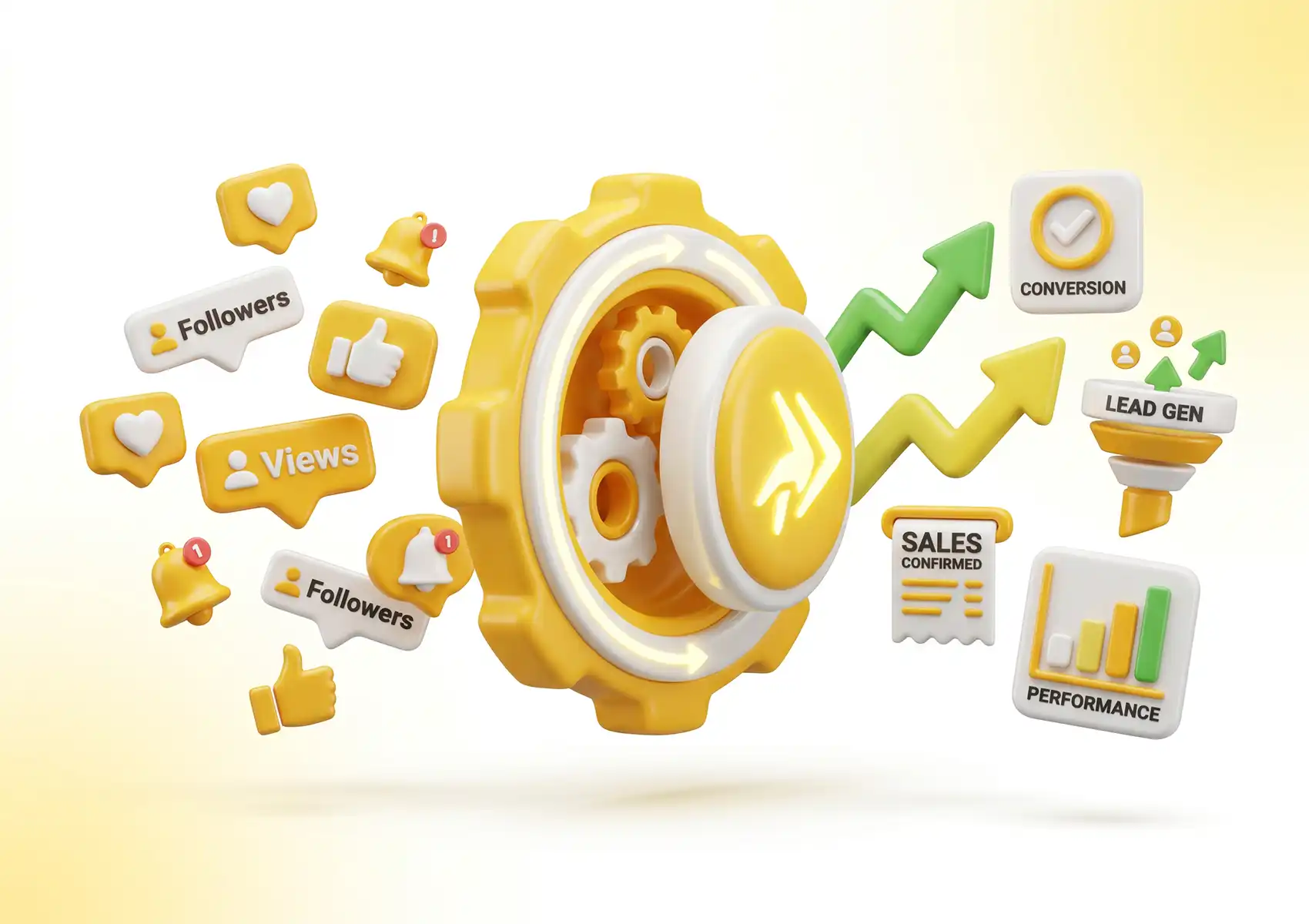
The social media metrics most teams default to are also the ones least connected to business outcomes. Understanding the difference is the starting point for building a measurement framework that actually works.
What Vanity Metrics Are and Why They Are Misleading
Vanity metrics are numbers that look impressive but do not indicate commercial performance. Likes, impressions, total follower count, and video views all fall into this category. They are easy to report, easy to inflate, and easy to misread as proof that social media is working when it may not be.
The Business Metrics Social Media Should Be Driving
Business metrics connect social activity to revenue, leads, and customer behaviour. Conversion rate from social traffic, cost per lead from paid campaigns, and social-attributed revenue are the numbers that give leadership a reason to keep investing in social media. These are harder to track but far more valuable.
Social Media KPIs That Actually Reflect Business Results
Not all KPIs carry equal weight. The following are the metrics worth building your reporting framework around, grouped by what they actually measure.
Conversion Rate From Social Media Traffic
This tells you what percentage of visitors arriving from social media complete a desired action on your website, whether a form fill, a purchase, or a booking. It is one of the clearest indicators of whether your social content is attracting the right audience.
Cost Per Lead From Paid Social Campaigns
For businesses running paid social, cost per lead cuts through the noise of impressions and reach to show you the actual commercial efficiency of your ad spend.
Social Media Attributed Revenue
This is the end goal of any business-focused social media measurement framework. Integrating your social data with your CRM or e-commerce platform allows you to attribute revenue directly to social touchpoints.
Audience Growth Rate
Total follower count tells you nothing on its own. Audience growth rate, the percentage increase in followers over a defined period, indicates whether your content strategy is building reach at a meaningful pace.
Engagement Rate by Reach
Engagement rate calculated against reach, rather than total followers, gives you a more accurate picture of how well your content is resonating with the people who actually see it.
Click-Through Rate to Website
CTR measures the percentage of people who saw your content and clicked through to your website. It is a direct signal of whether your content is generating genuine interest beyond the feed.
Share of Voice Against Competitors
Share of voice measures how much of the total conversation in your category your brand owns compared to competitors. It is particularly useful for businesses where brand perception and category leadership are commercially important.
Social Media KPIs by Business Goal
The right KPIs depend entirely on what the business is trying to achieve. Applying the same measurement framework to every objective is one of the fastest routes to misleading reporting.
KPIs for Brand Awareness Campaigns
Reach, impressions, audience growth rate, and share of voice. These reflect how widely your brand is seen and remembered, which is what awareness campaigns are designed to achieve.
KPIs for Lead Generation Campaigns
Cost per lead, conversion rate, and click-through rate to the landing page. These connect your social activity directly to pipeline and commercial outcomes.
KPIs for E-Commerce and Direct Sales
Social-attributed revenue, return on ad spend from paid social, and conversion rate from product content. These are the numbers that matter when social media is expected to directly drive sales.
KPIs for Community Building and Retention
Engagement rate by reach, response rate, and sentiment analysis. Community-focused goals prioritise the depth of relationships over the breadth of reach, and the KPIs should reflect that.
Building a Social Media KPI Reporting Framework
Having the right KPIs is only half the work. The other half is building a reporting process that turns those numbers into decisions.
Setting Baselines Before You Set Targets
You cannot set a meaningful KPI target without knowing your current performance. Audit the last three to six months of data before setting any targets. Without a baseline, targets are guesses.
Weekly, Monthly, and Quarterly Reporting Cadence
Weekly reviews cover pacing and active campaign performance. Monthly reviews assess overall KPI progress and content effectiveness. Quarterly reviews inform strategy decisions and budget allocation for the period ahead.
Building a Dashboard Your Leadership Team Will Trust
A reporting dashboard that shows the right KPIs in a simple, visual format removes the friction between data and decision-making. Build it around the questions leadership actually asks, not around every metric the platform surfaces.
Common KPI Mistakes to Avoid
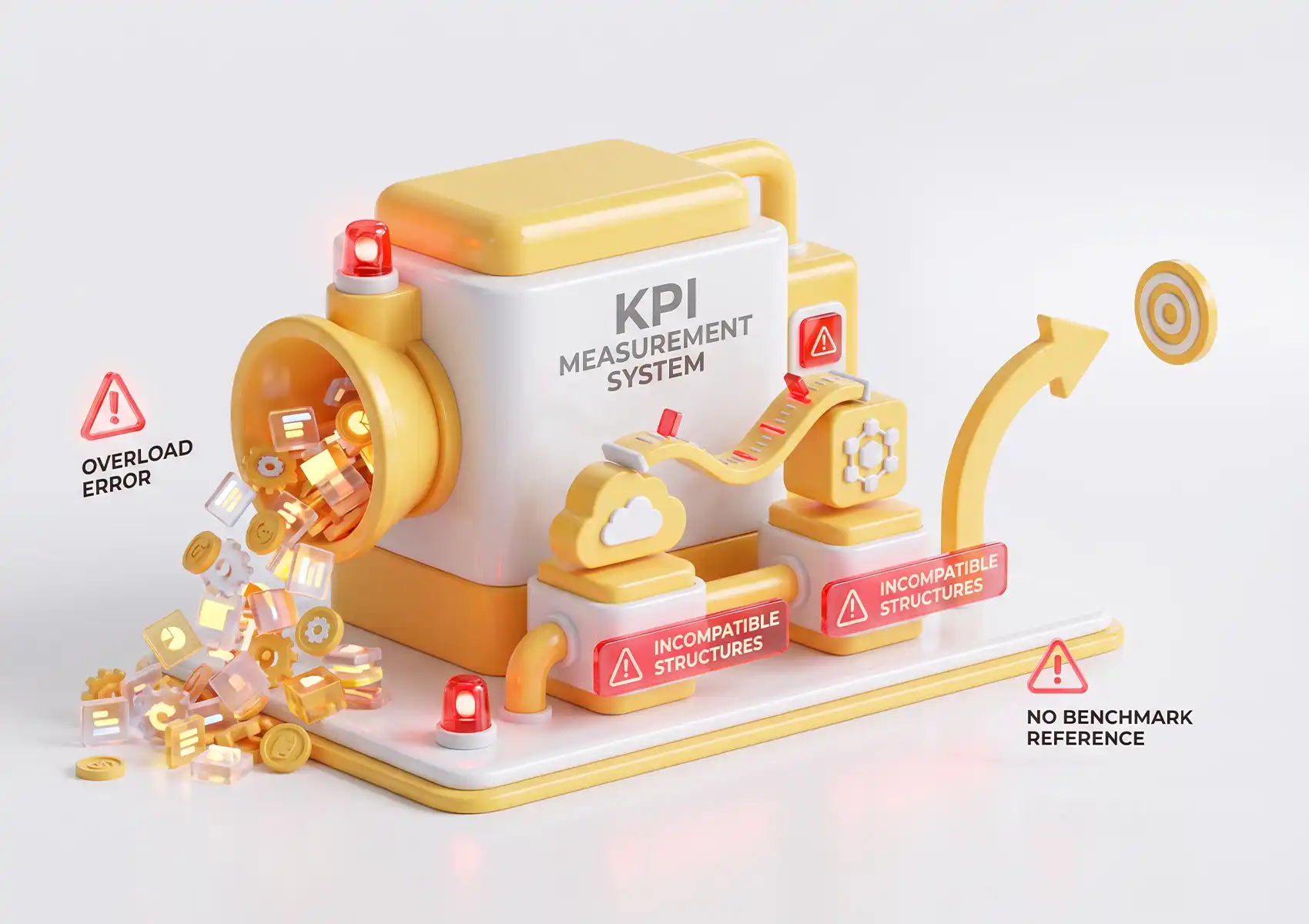
Even teams with good intentions end up measuring the wrong things. These are the mistakes we see repeatedly across the accounts we manage.
Tracking Too Many Metrics at Once
When everything is a priority, nothing is. Choose three to five core KPIs per campaign objective and report against those consistently. Adding more metrics does not add more clarity.
Comparing Performance Across Platforms Without Context
A 3% engagement rate on LinkedIn and a 3% engagement rate on Instagram mean very different things. Platform benchmarks vary significantly, and cross-platform comparisons need that context to be meaningful.
Setting KPI Targets Without Benchmarking First
Targets set without benchmarks are arbitrary. Before committing to a number, understand what is realistic for your industry, platform, and current audience size.
Track the Right Social Media KPIs With Gaia Digital Agency
Your social media KPIs, social media metrics for business, and social media performance metrics are only as useful as the strategy they are tied to. At Gaia, we help businesses identify the KPIs that actually reflect commercial performance, build reporting dashboards that connect social activity to revenue, and review performance on a cadence that keeps strategy on track.
Working with us starts with a comprehensive social media audit, a KPI framework aligned with your business goals, and monthly reporting that your leadership team can act on.
Start the conversation at Gaiada.com and build a measurement framework that actually tells you whether social media is working.
Frequently Asked Questions
What Are the Most Important Social Media KPIs for Business?
The most commercially relevant KPIs are conversion rate from social traffic, cost per lead from paid campaigns, social-attributed revenue, audience growth rate, and engagement rate by reach. The right combination depends on your specific business objective.
How Do I Measure Social Media ROI?
Track the revenue or leads generated from social media activity and compare that against the total cost of producing and distributing your content, including any paid spend. Integrating social data with your CRM makes this far more accurate.
What Is a Good Engagement Rate on Social Media?
Benchmarks vary by platform and industry. As a general guide, engagement rates above 1% on Instagram and above 2% on LinkedIn are considered healthy. Comparing your rate against industry-specific benchmarks gives you a more meaningful reference point than a universal average.
How Often Should I Review My Social Media KPIs?
Weekly for active campaign pacing, monthly for overall performance against targets, and quarterly for strategic decisions and budget allocation. The cadence depends on how actively you are running campaigns.
What Is the Difference Between Reach and Impressions?
Reach is the number of unique accounts that saw your content. Impressions is the total number of times your content was displayed, including multiple views from the same account. Reach reflects audience size; impressions reflect exposure frequency.


